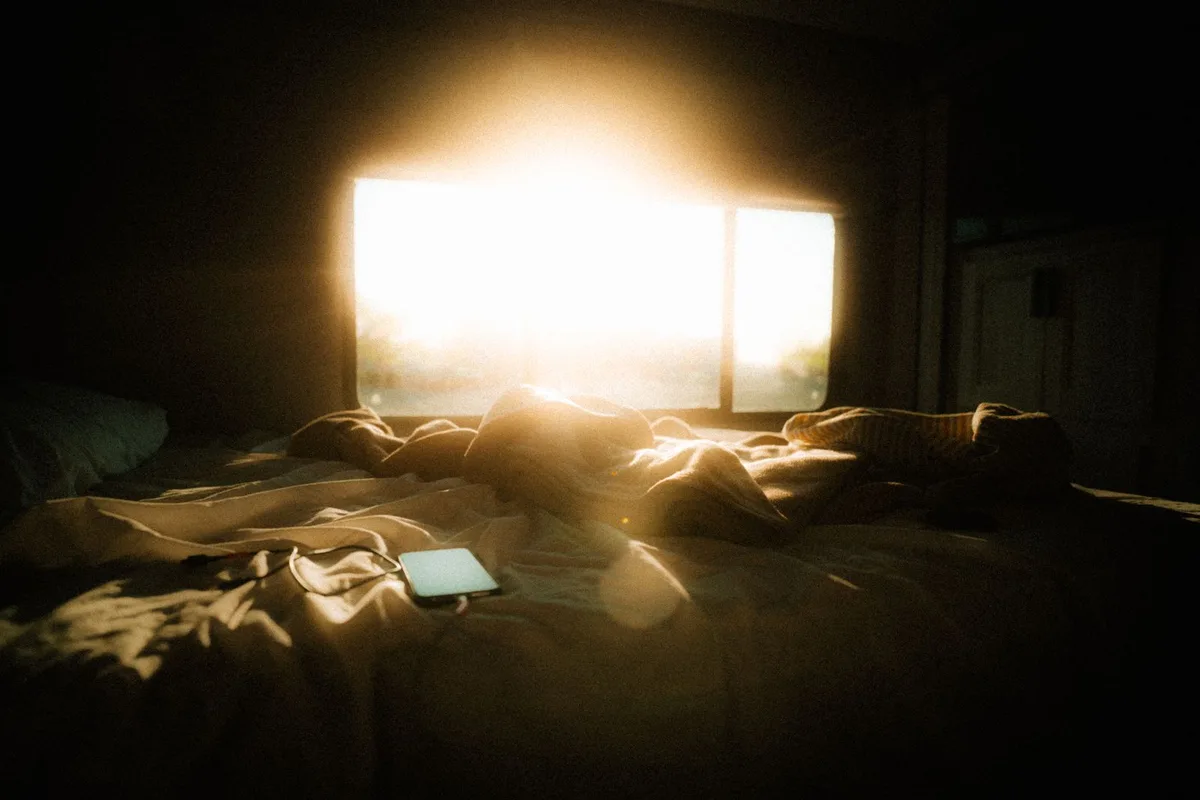
Your body runs on an internal clock, and that clock needs a signal every day to stay on time. The strongest signal it gets is light, especially light in the morning.
Most of us spend our mornings indoors under dim lamps. This week, you will try something easy: get real daylight soon after you wake up.
The one takeaway Bright light early in the day helps set your internal clock, which is linked to feeling more alert in the morning and sleepier at night. A week of morning light is a gentle way to see if it helps your sleep and mood.
Why morning light matters
Daylight tells your brain that the day has started. That signal helps time the release of hormones that make you feel awake now and sleepy later. Indoor lighting is much dimmer than outdoor light, even on a cloudy day.
As we age, sleep often gets lighter and earlier or more scattered. A steady daily light signal is one of the simplest habits linked to a more regular sleep pattern.
The 7-day plan
Days 1 to 3
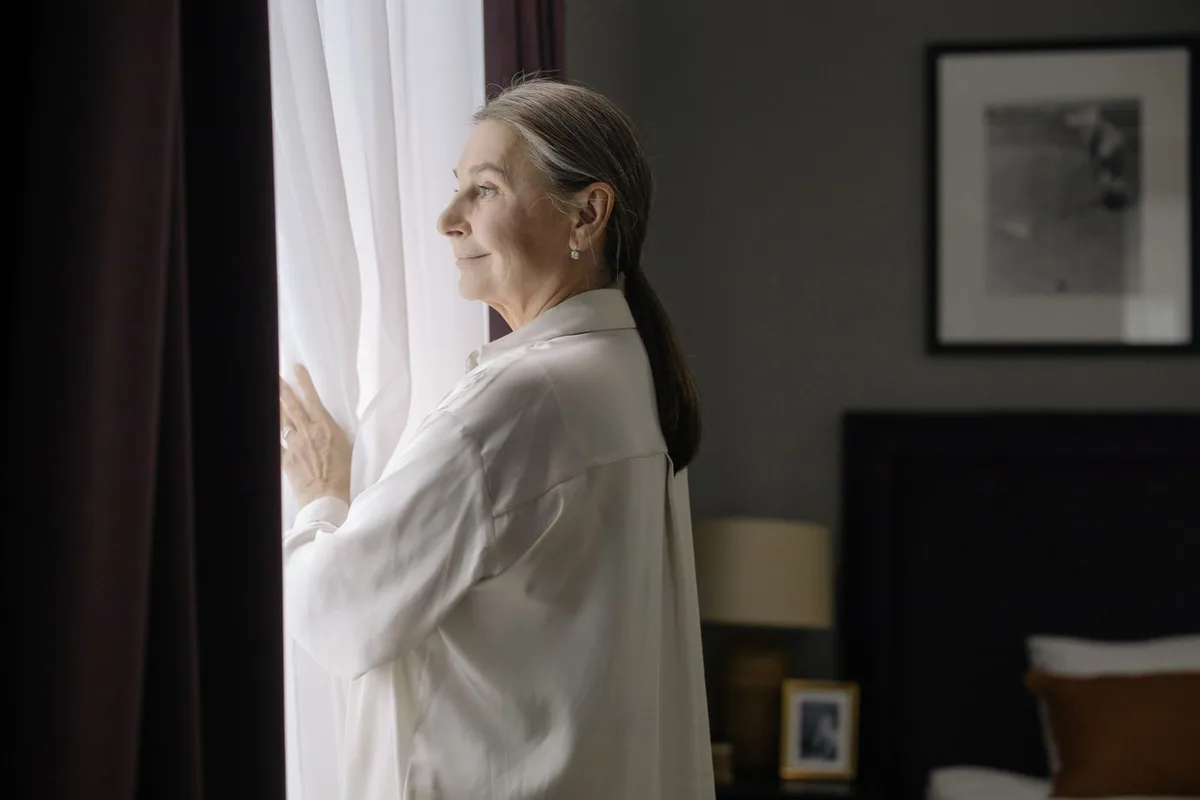
Within an hour of waking, open the curtains and sit by the brightest window for 10 minutes. Have your coffee or tea there. If you can, step outside onto a porch or balcony for a few minutes.
Days 4 to 7
Move outside for 10 to 15 minutes. Walk to the mailbox, water the plants, or sit on a bench. On gray days, stay out a little longer, around 20 minutes. Keep your sunglasses off for part of the time if your eyes are comfortable, but never look directly at the sun.
Pair the light with something you already do. Coffee on the porch is easier to remember than a new appointment.
What to notice
Keep a simple note each day: what time you felt sleepy at night, and how easy it was to get up the next morning. Some people notice they feel more alert by midmorning within a few days. Others see bedtime shift a little earlier by the end of the week.
Do not expect a full sleep makeover in seven days. Your clock adjusts gradually, and the habit matters more than any single morning.
When to talk to your doctor
If you have an eye condition such as macular degeneration or glaucoma, ask your eye doctor about time in bright light. Some medicines make skin more sensitive to sun, so ask your pharmacist if you are unsure, and use sun protection for longer stays. If poor sleep or low mood lasts for weeks, talk with your doctor.
Light is free, and it is waiting just outside the door.