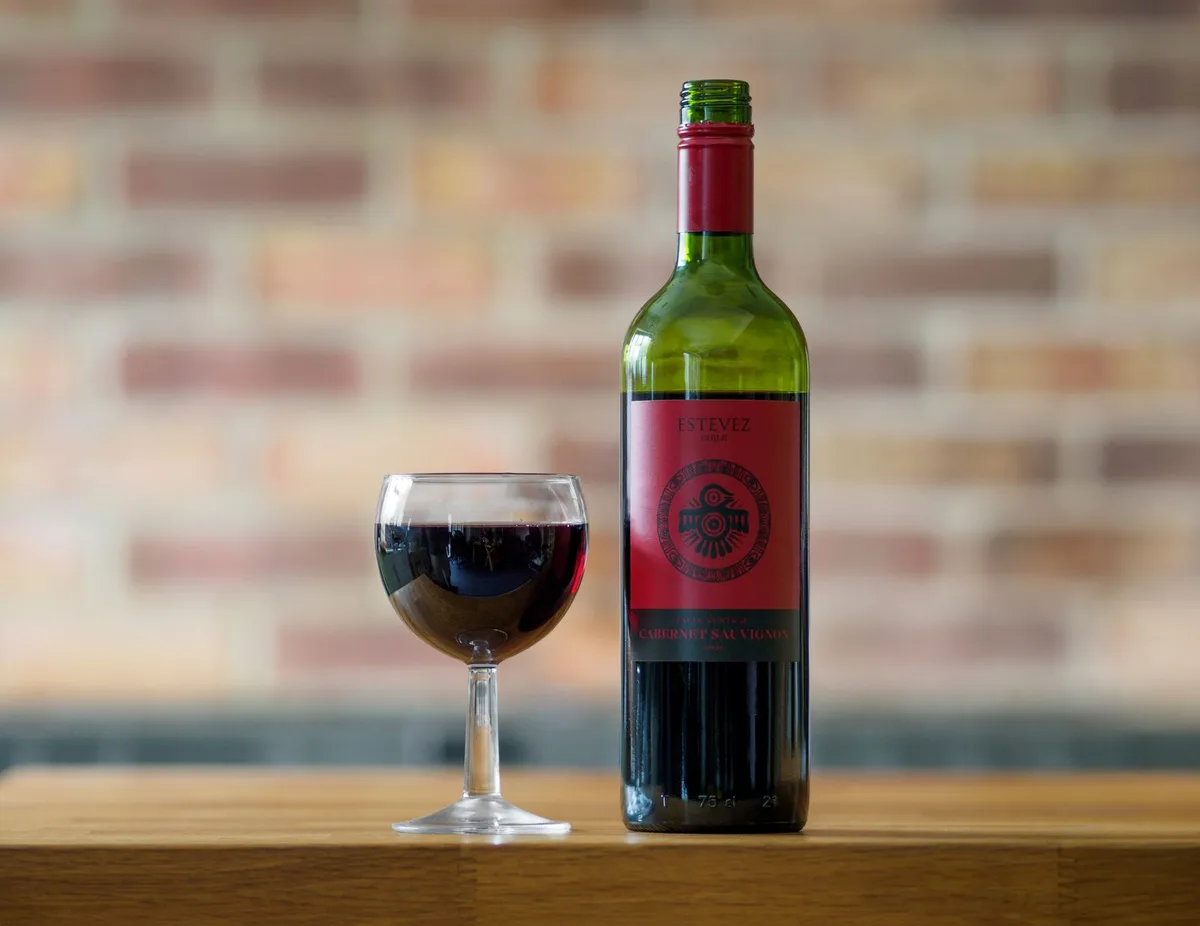
A glass of wine with dinner is part of many people's evenings. Over the years, though, the amount can creep up without anyone really noticing.
Your nerves notice. Regular heavy drinking is one of the known causes of peripheral neuropathy, and it often starts quietly in the feet.
Insider Tip Drinking heavily over many years is linked to nerve damage that causes tingling, burning, numbness and weakness in the feet and legs. Cutting back and eating well may help keep it from getting worse.
How alcohol affects nerves
Alcohol can be directly harmful to nerve tissue over time. It also gets in the way of how your body absorbs and uses key nutrients, especially thiamine (vitamin B1), B12 and folate. People who drink a lot often eat less, too, which deepens the shortfall.
The result is usually slow and gradual. The longest nerves, the ones reaching your toes, tend to be affected first.
Early signs to watch for
- Tingling, prickling or burning in the feet
- Numbness or feeling less heat and cold
- Muscle cramps or weakness in the legs
- Feeling unsteady when walking
- Pain that feels worse at night
What may help
For US adults, current dietary guidance suggests that if you drink, you keep it to two drinks or fewer a day for men and one or fewer for women. Less is better for health, and many older adults are advised to drink even less, since the body handles alcohol differently with age and some medicines do not mix with it.
Eating regular meals with whole grains, beans, eggs, fish and leafy greens helps refill the B vitamins your nerves rely on. Some nerve damage may ease over time after drinking stops, though recovery varies and can be partial.
Try an alcohol-free evening drink you enjoy, like sparkling water with citrus or a warm herbal tea. Having a ritual ready makes it easier to skip the glass.
When to talk to your doctor
Tell your doctor honestly how much you drink if you have any tingling, numbness or balance problems. They can check your vitamin levels and look for other causes. If you drink heavily every day, do not quit suddenly on your own, since withdrawal can be dangerous. Ask your doctor for a safe plan. Shaking, confusion or seeing things after stopping needs emergency care.
You do not need to be perfect. Every step toward drinking less is a step your nerves can feel.