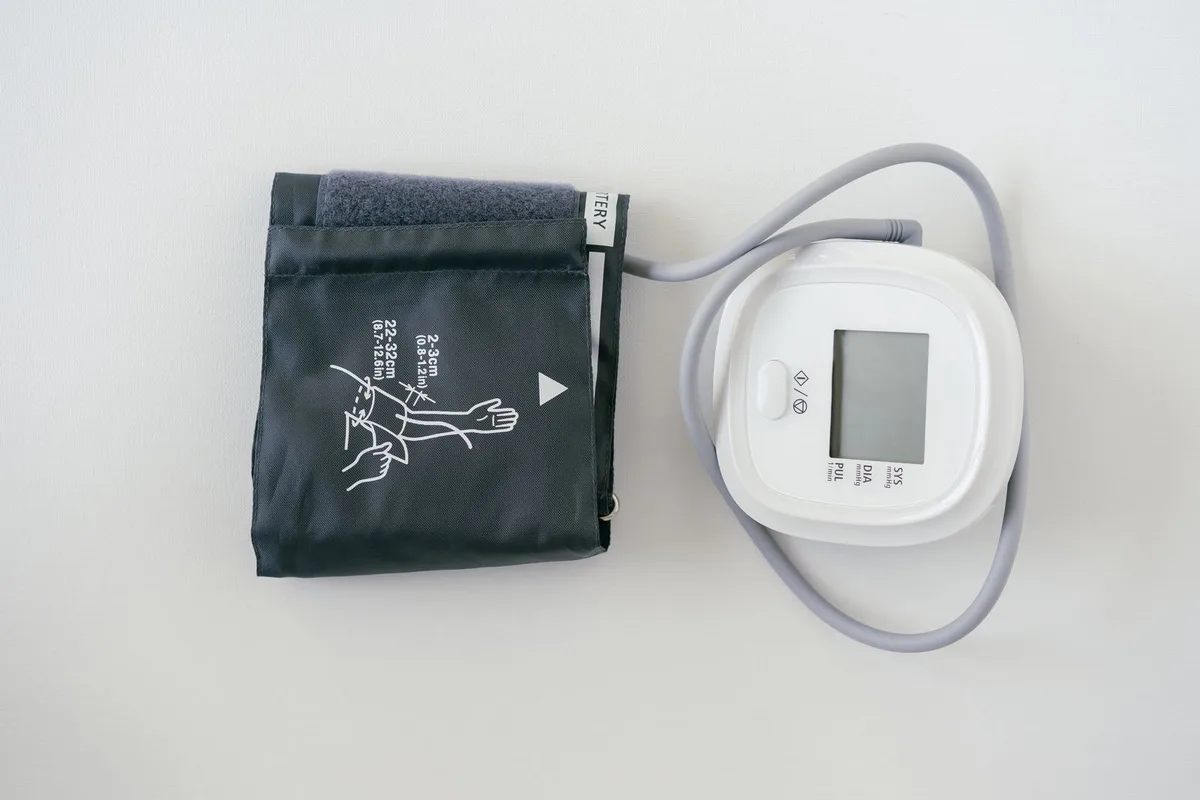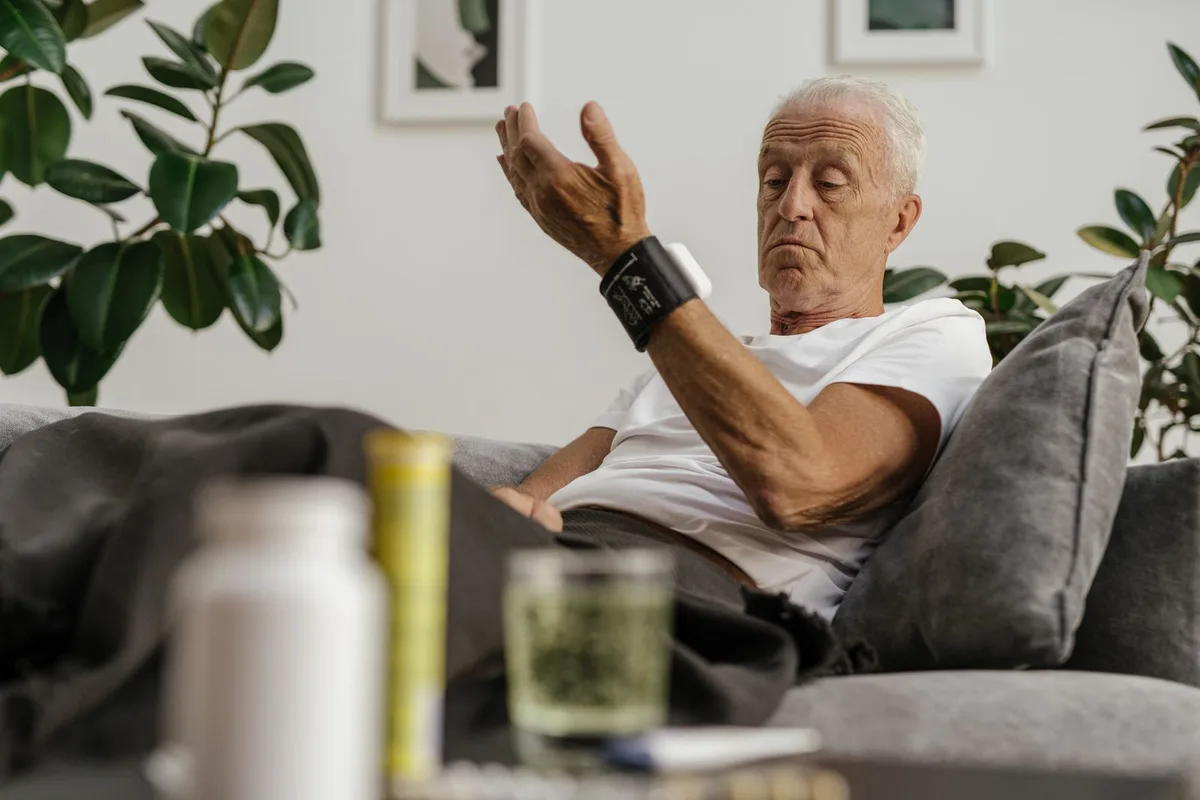
Beet juice in the morning, a clove of garlic with dinner, a cup of red hibiscus tea in the afternoon. These natural blood pressure helpers show up in kitchens and online videos everywhere.
Do they work? Each has some research behind it. None of them is a replacement for treatment.
The one takeaway Beets, garlic and hibiscus tea have each shown small drops in blood pressure in studies. They can be part of a heart-friendly diet, but less salt, more potassium, movement and prescribed treatment do most of the work.
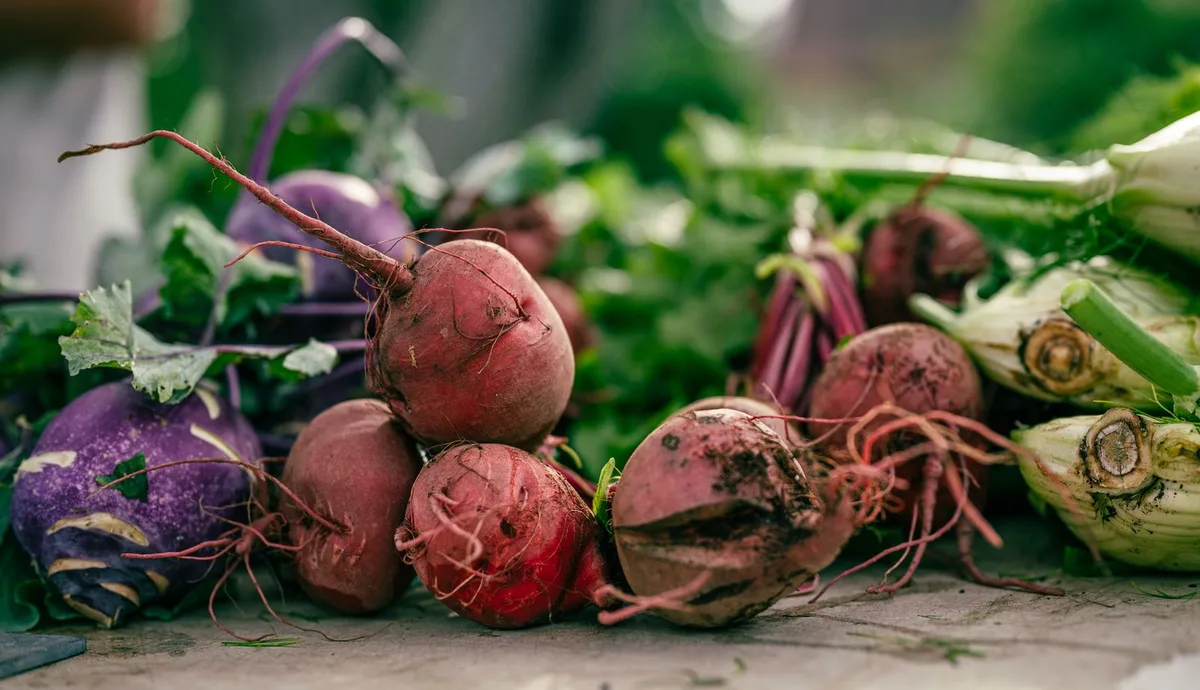
Beets
Beets are rich in natural nitrates, which the body turns into nitric oxide, a molecule that relaxes blood vessels. Studies with beet juice have found modest, short-term drops in blood pressure. A glass of beet juice or a serving of roasted beets a few times a week is an easy way to add them to your meals.
Harmless surprise: beets can turn your urine pink or red.
Garlic
Reviews of studies have found that garlic supplements can modestly lower blood pressure in people whose pressure is high. Cooking with garlic is a tasty habit, but the studies mostly used concentrated supplements. The effect seems strongest in people whose blood pressure is already high.
Hibiscus tea
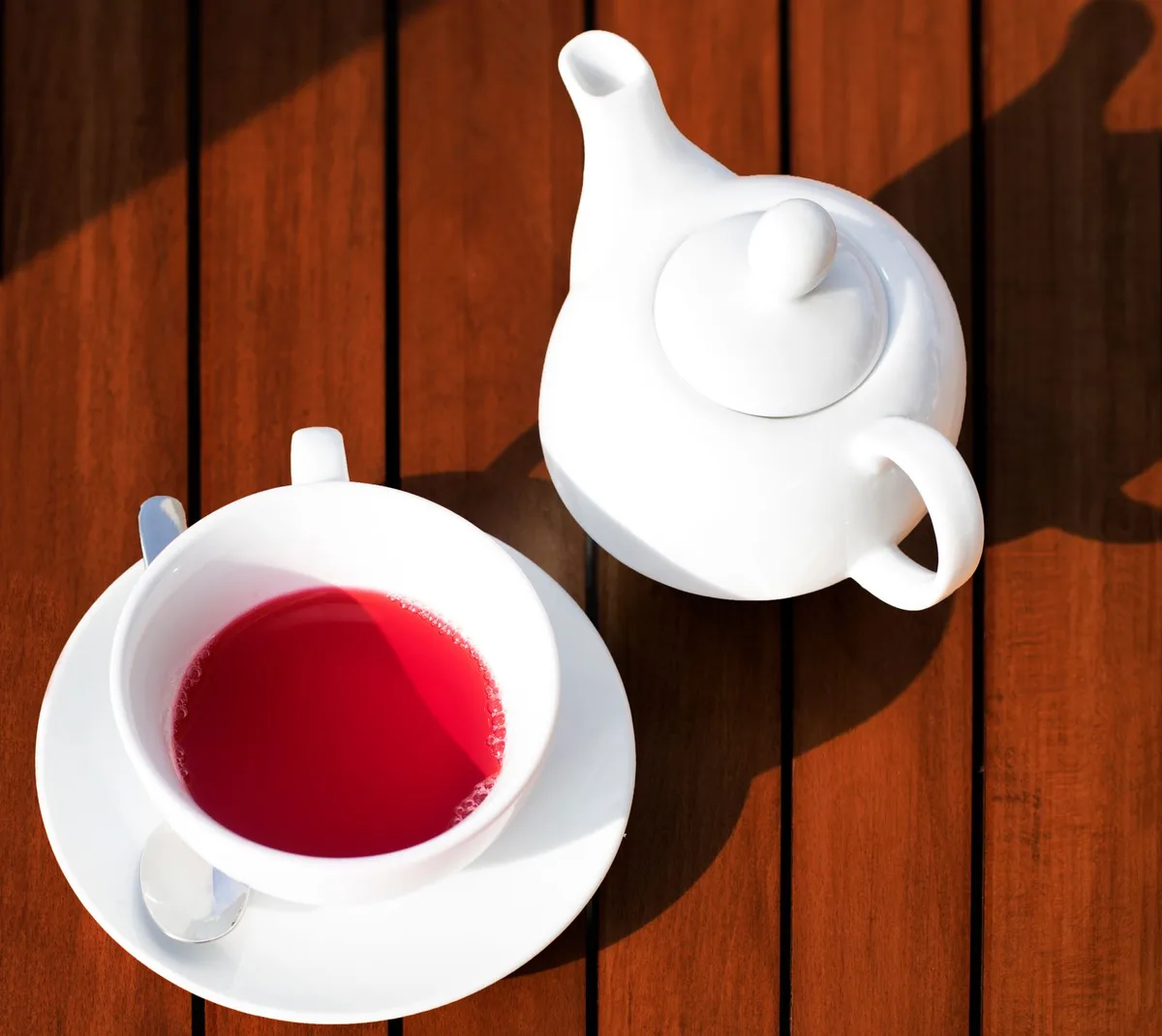
Several small trials found that drinking hibiscus tea every day for a few weeks lowered blood pressure a little. It is caffeine-free and makes a pleasant afternoon drink, hot or iced. Let a pot cool in the fridge for a tart, refreshing summer version.
Think of these three as helpers, not replacements. The bigger levers are cutting salt, eating more potassium-rich foods like vegetables, fruit and beans, moving every day and taking prescribed medicine as directed.
Swap one salty snack a day for fruit or unsalted nuts. Small salt cuts add up over weeks.
When to talk to your doctor
Never replace blood pressure medicine with foods or teas. Hibiscus may add to the effect of blood pressure medicines, and garlic supplements can raise bleeding risk with blood thinners, so ask your doctor first. People with a history of kidney stones should check before drinking a lot of beet juice.
Food can support your heart every day. It works best alongside the plan your doctor gives you.