Many men notice it somewhere after 50. Less energy in the afternoon, less drive, a bit more around the waist and a little less strength on the stairs. It is easy to blame age and move on.
But a surprising amount of feeling older comes from things you can change.
The one takeaway Much of the energy men lose after 50 comes from lost muscle, poor sleep and belly fat. Short bursts of hard effort, regular strength work and better sleep bring a lot of it back.
Muscle is your energy reserve
Muscle slowly shrinks from midlife, and with it goes strength, stamina and a lot of your daily energy use. Less muscle also makes blood sugar harder to manage, which shows up as afternoon slumps.

Two or three short strength sessions a week, with weights, bands or your own body weight, are enough to push back. Muscle responds at any age.
Sleep, snoring and the evening drink
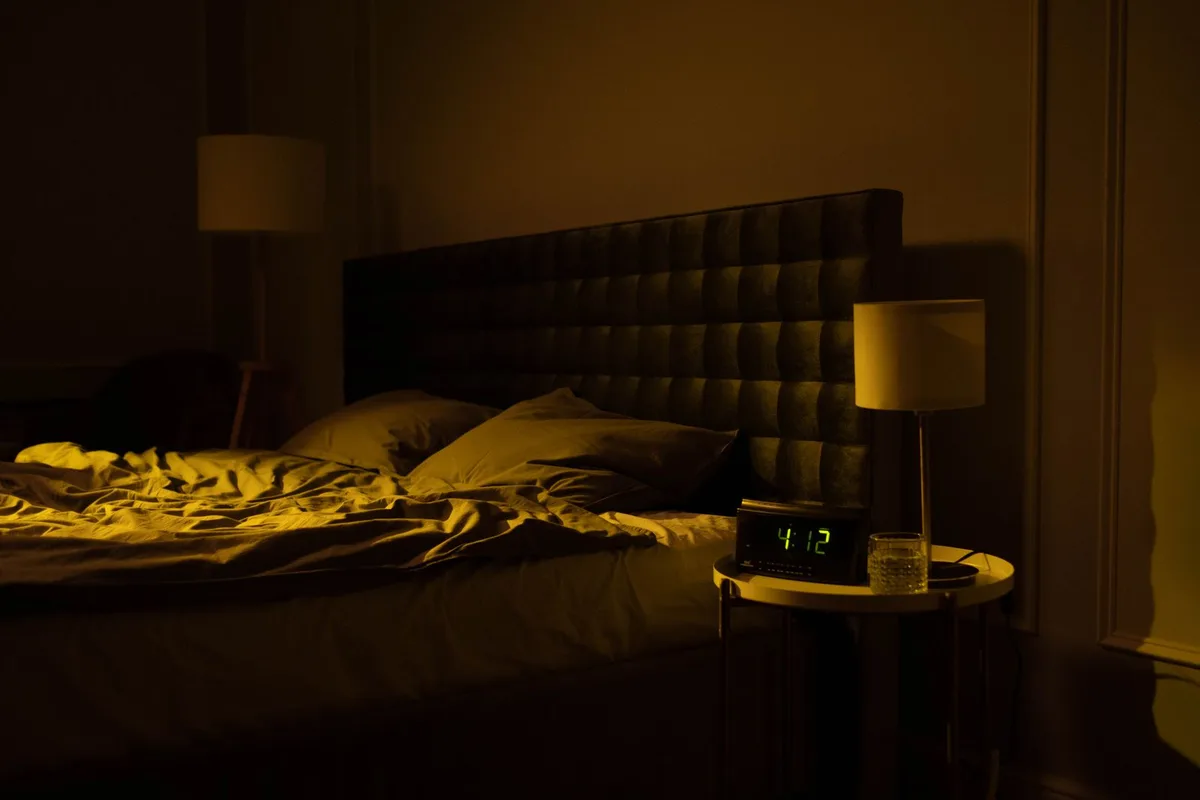
Poor sleep drains energy and drive faster than almost anything. Loud snoring, gasping at night or feeling sleepy in the daytime can point to sleep apnea, which is common in men over 50.
A drink in the evening may help you fall asleep, but it tends to break up the second half of the night. Finishing alcohol at least three hours before bed is a simple test worth running.
Belly fat and hormones
Fat around the middle is more than a looks issue. It is linked to blood sugar problems and can affect hormones, including a gradual fall in testosterone that some men notice with age. Losing some of that belly fat and building muscle often helps energy more than anything else.
Short bursts count
A 2022 study of adults who did no formal exercise found that about three short bursts of vigorous activity a day, like taking the stairs fast or carrying heavy shopping, were linked to a lower risk of early death. One minute of hard effort, three times a day is a realistic place to start.
Walking speed is worth watching too. Some doctors call it the sixth vital sign, so add a brisk five-minute walk to your day.
When to talk to your doctor
See a doctor about loud snoring, low energy that comes with low mood or loss of interest in things you used to enjoy, or any new symptom that worries you. Low energy has many possible causes, and a simple checkup can rule out the common ones.
Feeling flat after 50 is common, but it is not a sentence. Start with the stairs today.