You wake up with a dry mouth, a dull head and a strong pull toward the coffee pot. That is normal. You have just gone seven or eight hours without a sip.
Before the coffee, though, there is a simpler first step that many people skip.
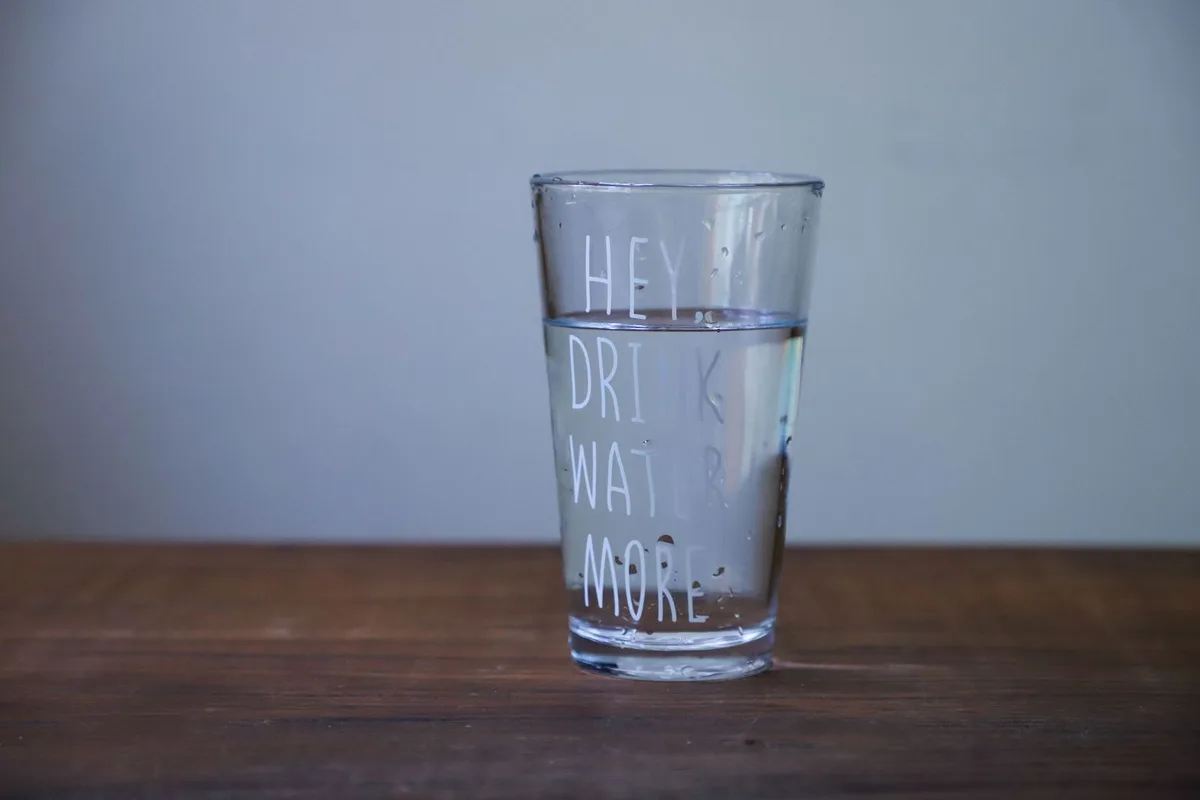
The one takeaway Your body wakes up a little short on fluids, and after 50 your thirst signal may not tell you so. Drinking a glass of water soon after you get up is an easy, low effort way to start the day topped up.
Where the water goes overnight
Even while you sleep, you keep losing water. Every breath carries out moisture, and your skin releases a little more. A warm bedroom or a night of snoring can add to it. Many people also get up to use the bathroom once or twice.
None of this is dramatic, but it means you start the morning slightly behind. Mild dehydration is linked to tiredness, headaches and trouble concentrating, which can feel a lot like a slow morning.
Why thirst fades with age
Here is the part few people know: the thirst signal tends to weaken as we get older. Your body may need water before you feel the urge to drink. The body also holds a little less water overall with age, and some common medicines make you lose more fluid.
That is why waiting until you feel thirsty does not always work after 50. A habit does the job your thirst used to do.
Making it automatic

- Fill a glass or bottle at night and leave it by the bed or the coffee maker.
- Drink it before your first cup of coffee or tea.
- If plain water feels dull, add a slice of lemon or cucumber.
- Room temperature water is often easier to drink quickly than ice cold.
A regular glass, about 8 ounces, is plenty. There is no need to force down a huge amount at once.
A quick check: pale yellow urine usually means you are drinking enough. Dark yellow is a nudge to drink more.
When to talk to your doctor
If you have heart failure, kidney disease or another condition where your doctor limits fluids, follow that advice and ask before changing how much you drink. The same goes if you take water pills. Dizziness, confusion, very dark urine or a racing heart can be warning signs of dehydration and deserve prompt medical attention.
One glass of water is not a big change. It is just a kind way to say good morning to your body.