A sprinkle of cinnamon in the morning oats. A capsule of berberine before lunch. Bitter melon tea from the health store. All three have a reputation for helping blood sugar, and all three show up in morning routines online.
So which ones have real research behind them? The answer is less exciting than the videos, and more useful.
The one takeaway Berberine has the strongest research of the three, cinnamon shows small and mixed effects, and bitter melon has the weakest evidence. None replaces medicine, and all can interact with it, so check with your doctor first.
Berberine: the most studied
Berberine is a yellow compound from several plants. Of the three, it has the most research behind it, including trials in people with type 2 diabetes that found lower fasting blood sugar.
It often causes stomach upset, and it changes how the liver handles many common medicines. That makes it the one most worth discussing with your doctor first.
Cinnamon: small and mixed
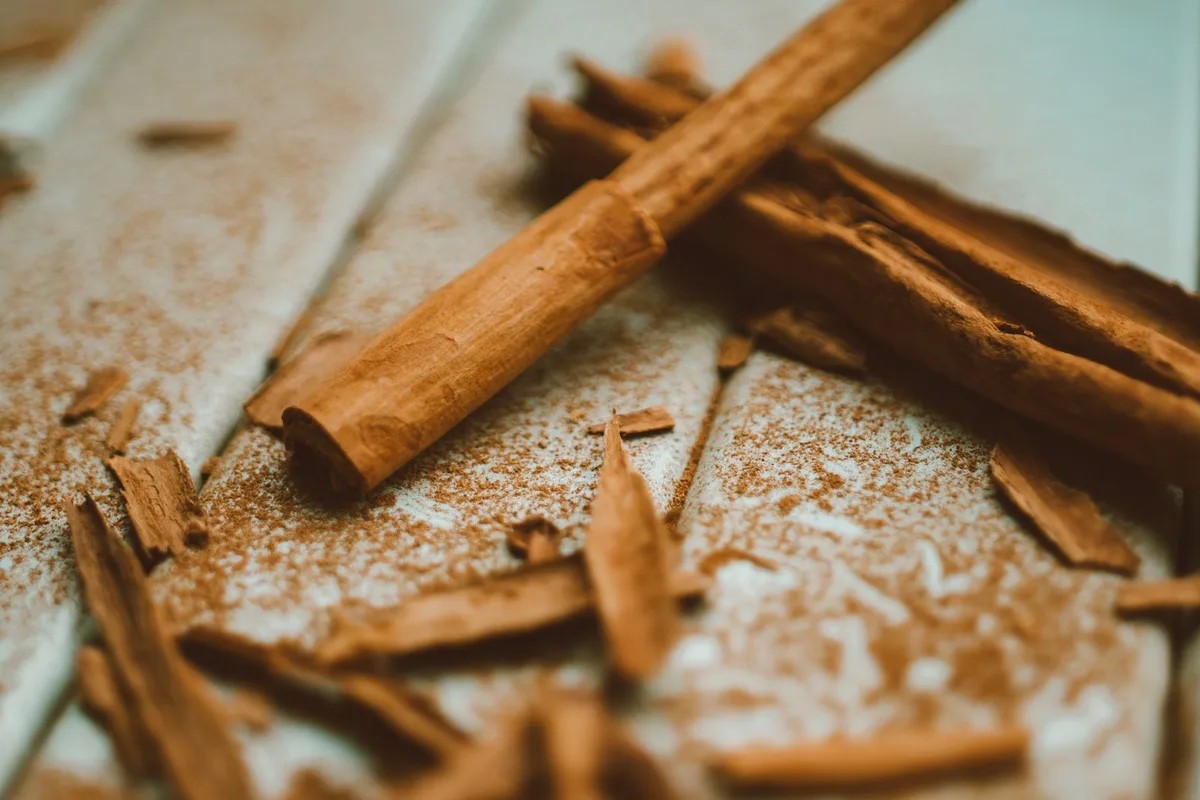
Some studies found small drops in fasting blood sugar with cinnamon, while others found little effect. It is a pleasant, low-risk spice in normal food amounts.
There is one detail most people miss. The common cassia cinnamon contains a natural compound that can strain the liver in large daily doses, while Ceylon cinnamon contains very little. If you use a lot every day, Ceylon is the gentler choice.
Bitter melon: the weakest evidence
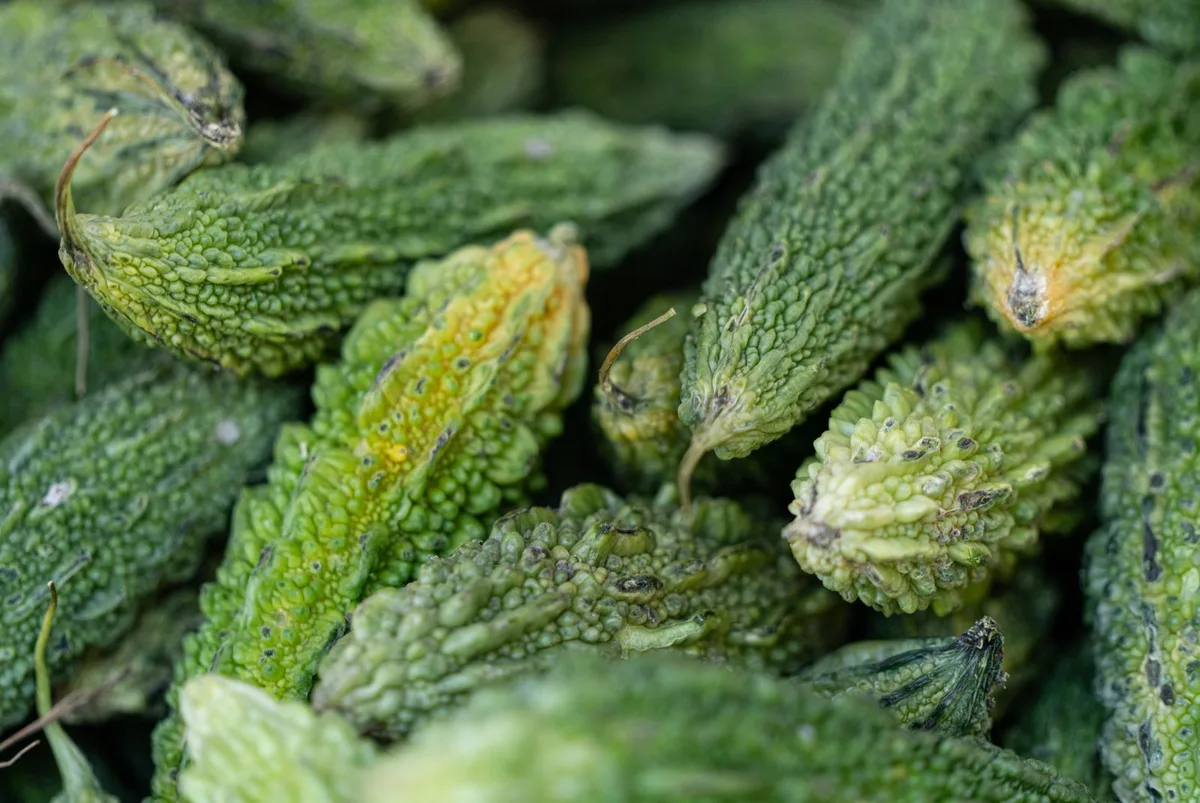
Bitter melon is a vegetable used for centuries in Asian cooking. Research on blood sugar is limited and inconsistent, so it is best enjoyed as food rather than relied on as a remedy.
Whatever you try, change one thing at a time and track your numbers, so you know what is actually making a difference.
When to talk to your doctor
If you take diabetes medicine, any of these can push your blood sugar too low. Talk to your doctor or pharmacist before starting berberine or concentrated supplements, especially if you have liver problems or take other regular medicines, and avoid them during pregnancy.
Spices and plants can be a helpful part of the picture. The bigger levers are still food order, movement and sleep. Start with the habits, and treat the spice jar as a small bonus.