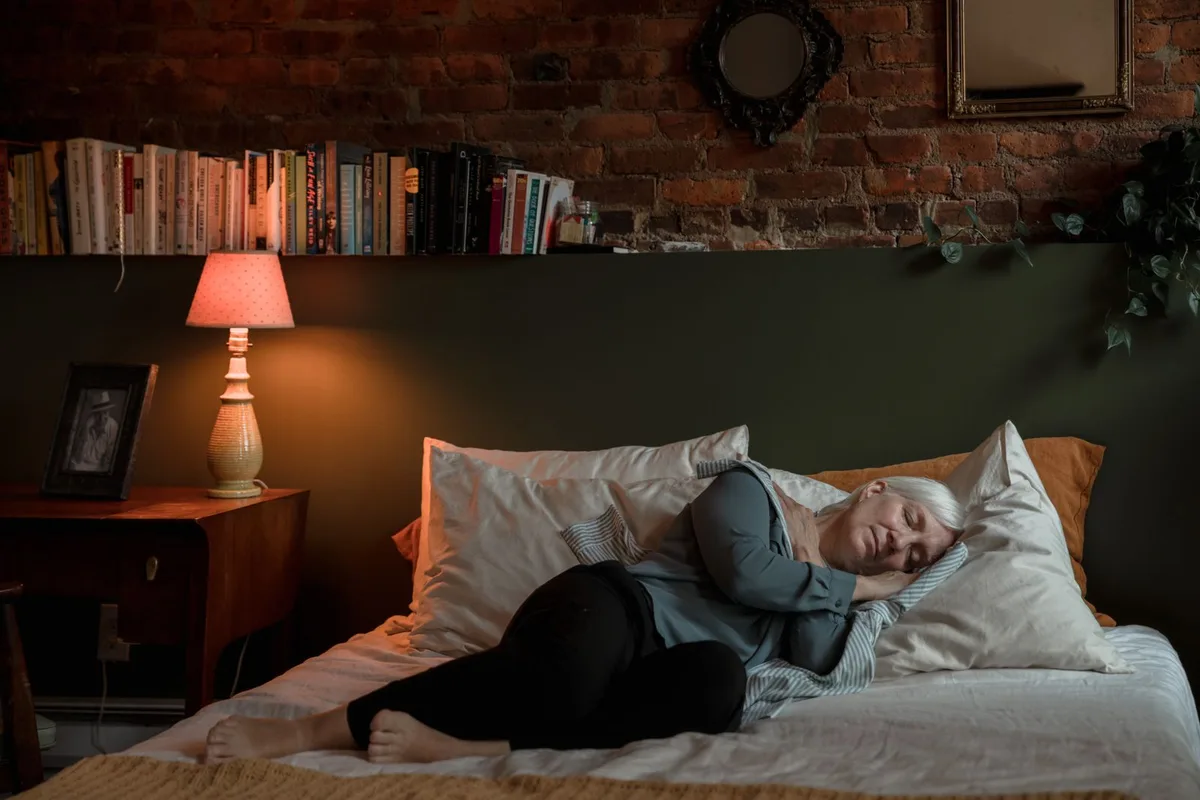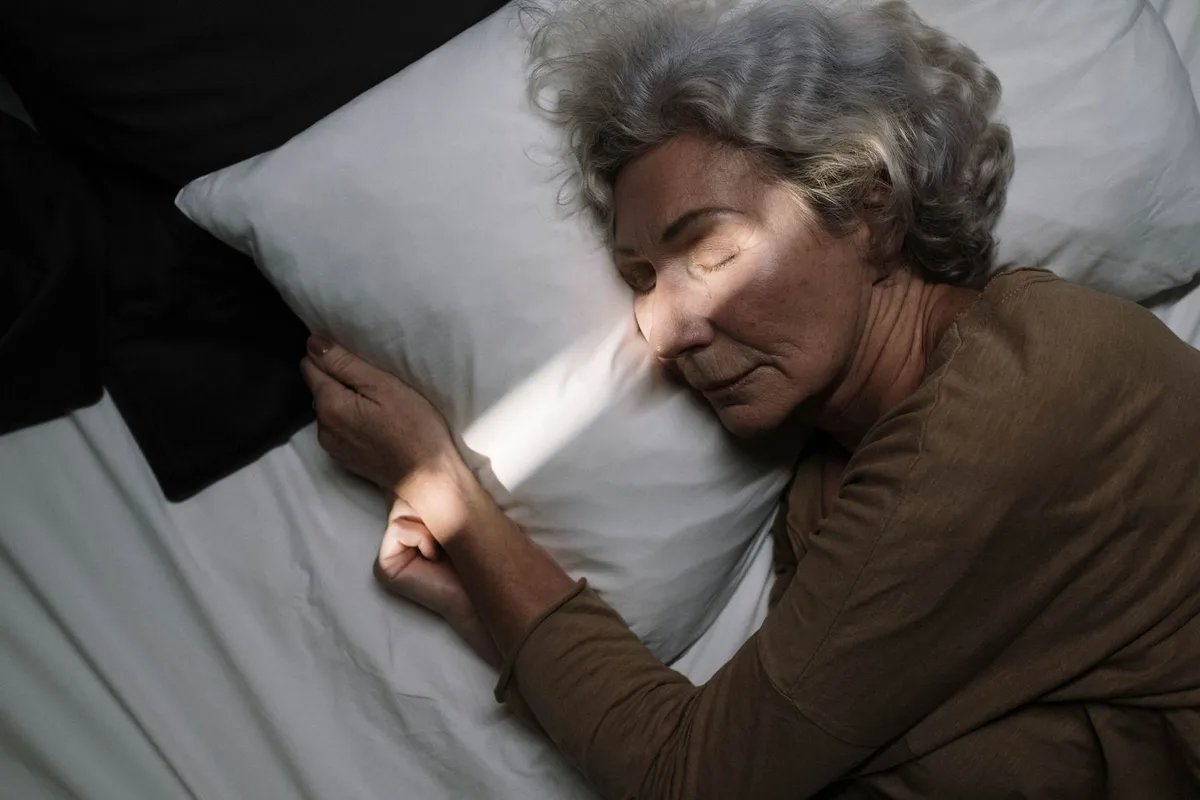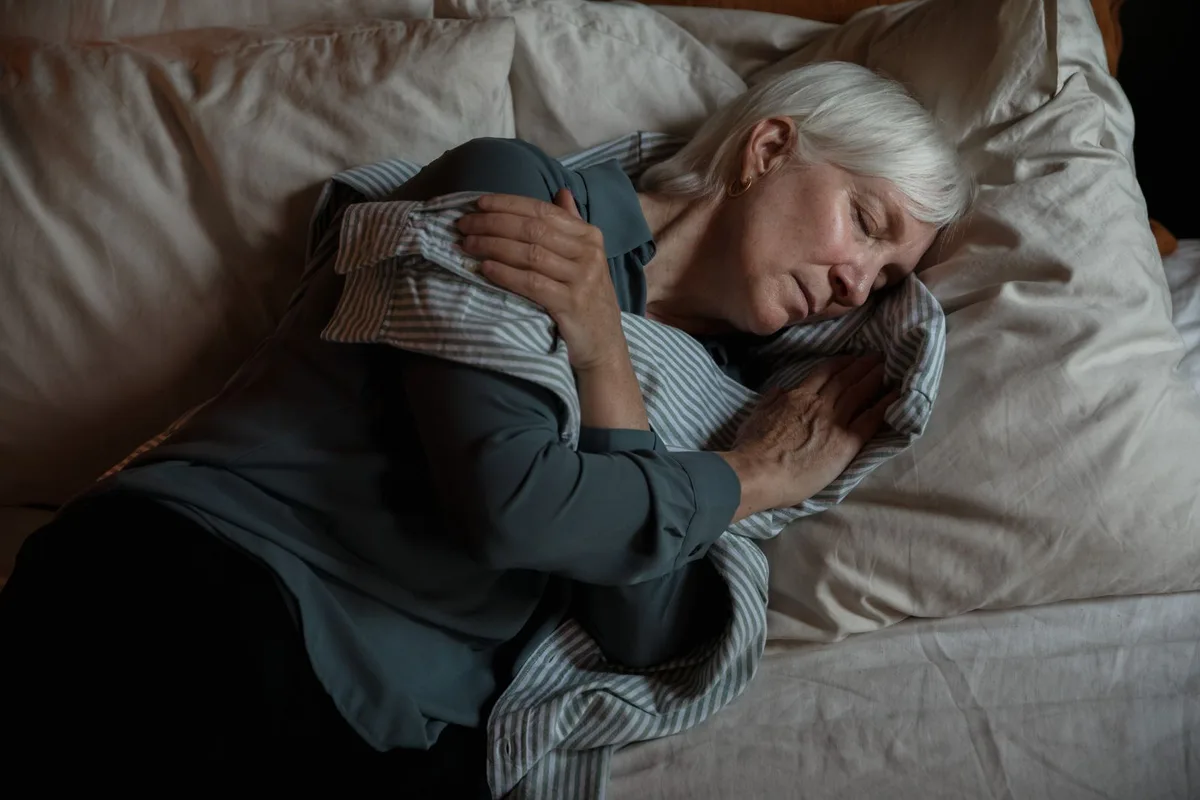
There is something lovely about an afternoon nap. The house is quiet, the sun is warm, and twenty minutes later you feel like a new person.
But if you are napping for two hours and then lying awake at midnight, the nap may be part of the problem.
The one takeaway A short nap of about 20 to 30 minutes in the early afternoon can refresh you without hurting your night sleep. Long or late naps, or needing to nap every day, are worth a closer look.
Why naps feel tempting after 50
Night sleep tends to become lighter and more broken with age. Many people also have a natural dip in alertness after lunch. Put those together and the couch starts to look very inviting around 2 p.m.
Retirement or a more flexible schedule makes napping easier too, which is not a bad thing in itself.
How to nap well
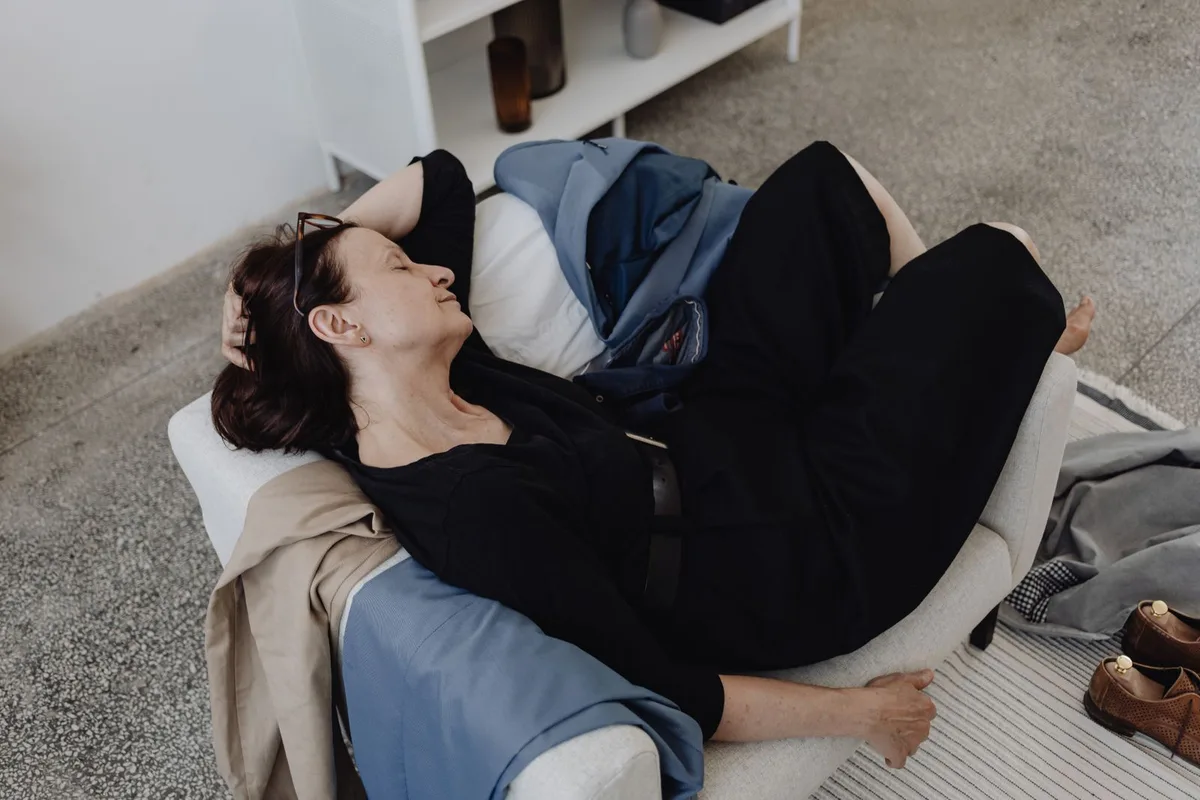
- Keep it short. About 20 to 30 minutes lets you rest without sinking into deep sleep, which can leave you groggy.
- Nap early. Aim for before 3 p.m. so it does not steal from your night.
- Set an alarm so a short rest does not become a long one.
- Lie down somewhere comfortable and a little darker if you can.
Even resting quietly with your eyes closed, without falling fully asleep, can help you feel more refreshed.
When napping becomes a sign
Research has linked frequent, long daytime naps in older adults with some health concerns, though it is not clear whether the naps cause problems or are a sign of something else. The question to ask is why you need them.
Feeling very sleepy during the day despite a full night in bed can point to sleep apnea, poor sleep quality, depression, side effects of medicine or another health condition.
If you nap and still sleep badly at night, try a week with no naps or only a 20 minute one. Then see how your nights change.
When to talk to your doctor
See your doctor if you feel the need to nap every day, nod off while reading or watching TV without meaning to, or ever feel drowsy while driving. Mention loud snoring, gasping at night, morning headaches or new memory problems. Bring a list of your medicines, since some can cause drowsiness, and do not change any of them on your own.
A good nap is a gift. Just make sure it is a treat, not a cover for poor night sleep.