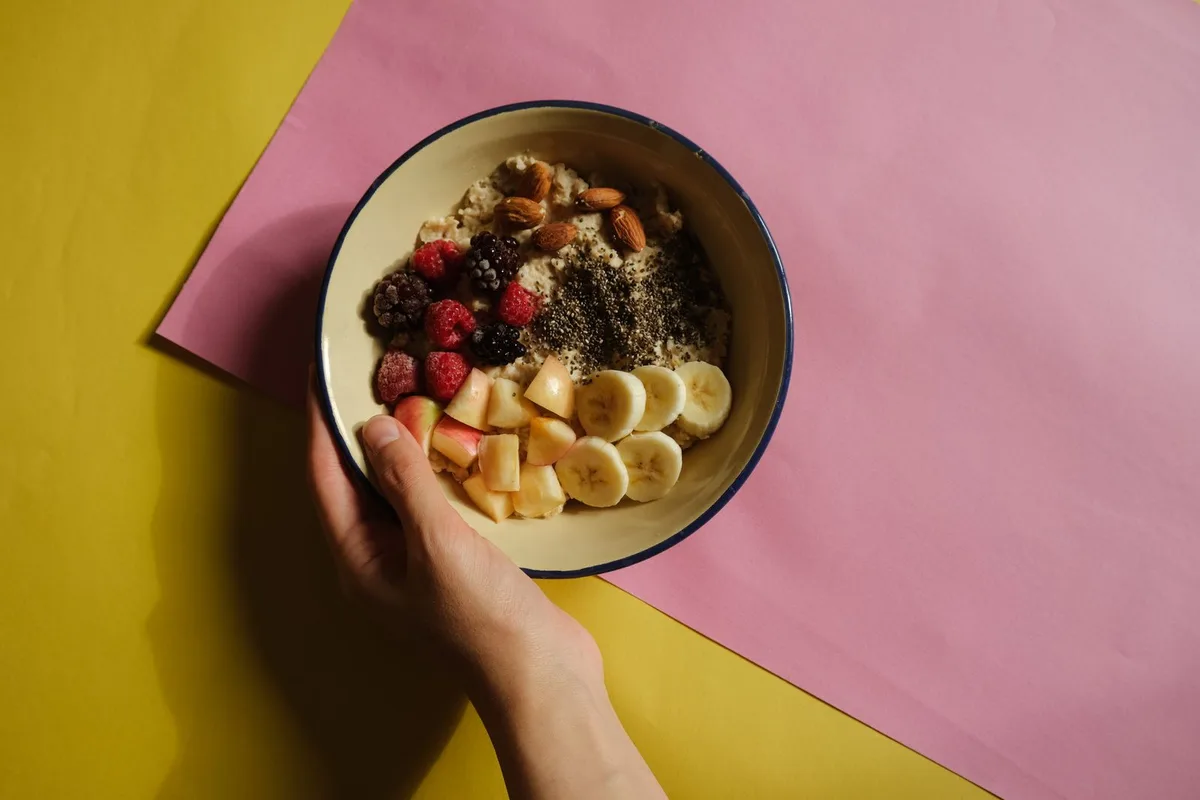
Flavored yogurt, granola, a sweet coffee drink, a pastry. Breakfast is often where a big share of the day's added sugar hides, sometimes in foods sold as healthy.
This week, you will try one clear rule: no added sugar at breakfast, for seven mornings. Fruit is welcome. The sugar bowl and the syrup bottle get a rest.
The one takeaway Breakfast is one of the easiest meals to cut added sugar from, and doing so may help keep your energy steadier through the morning. A week shows you how much sugar you were eating without noticing, and how your cravings respond.
Why breakfast sugar matters
A sugary breakfast can raise blood sugar quickly and leave you hungry again a couple of hours later. Too much added sugar over time is linked to weight gain, type 2 diabetes and heart disease. Heart health guidelines suggest limiting added sugar to about 6 teaspoons a day for women and 9 for men, and one flavored coffee drink can pass that.
Natural sugar in whole fruit and plain milk is different. It comes with fiber, protein or water that slow things down.
The 7-day plan
- Day 1: Read the labels on your usual breakfast foods. Look for added sugars.
- Day 2: Swap flavored yogurt for plain, and add berries.
- Day 3: Make plain oatmeal with cinnamon and sliced banana.
- Day 4: Have eggs with vegetables and a piece of fruit.
- Day 5: Take your coffee or tea without sugar, or with half your usual amount.
- Day 6: Try overnight oats with milk, nuts and berries.
- Day 7: Repeat your favorite, and check how sweet fruit tastes now.
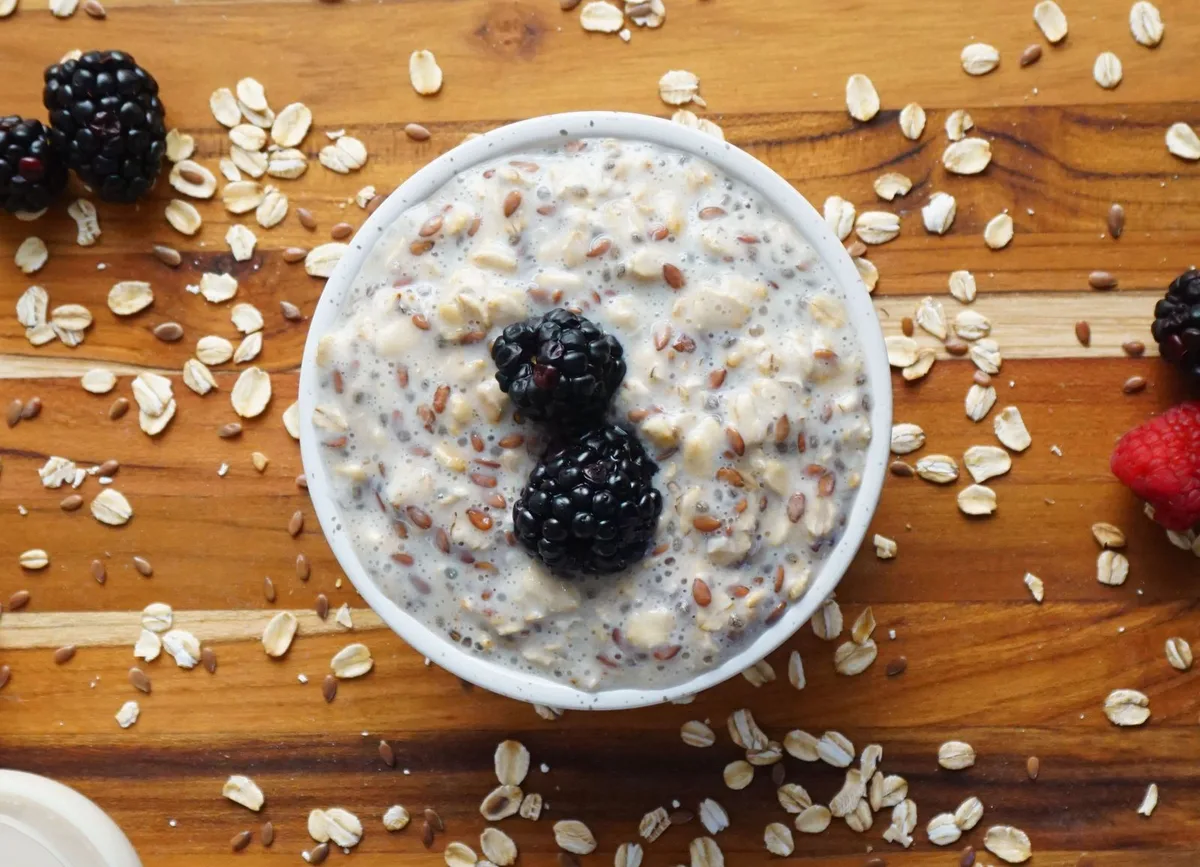
Cinnamon, vanilla and a little mashed fruit add sweetness without added sugar. They work well in oats and yogurt.
What to notice
The first two or three days are often the hardest. You may miss the sweet taste. By the end of the week, many people find fruit tastes sweeter and the midmorning slump feels milder.
You will not change your health in seven days, but you may change your sense of what breakfast should taste like.
When to talk to your doctor
If you have diabetes and take insulin or other blood sugar medicine, check with your doctor before changing breakfast, as your readings may shift and doses may need review. Watch for signs of low blood sugar, such as shakiness, sweating or confusion. Do not change your medicine on your own.
A less sweet morning is not a punishment. It is a reset for your taste buds.