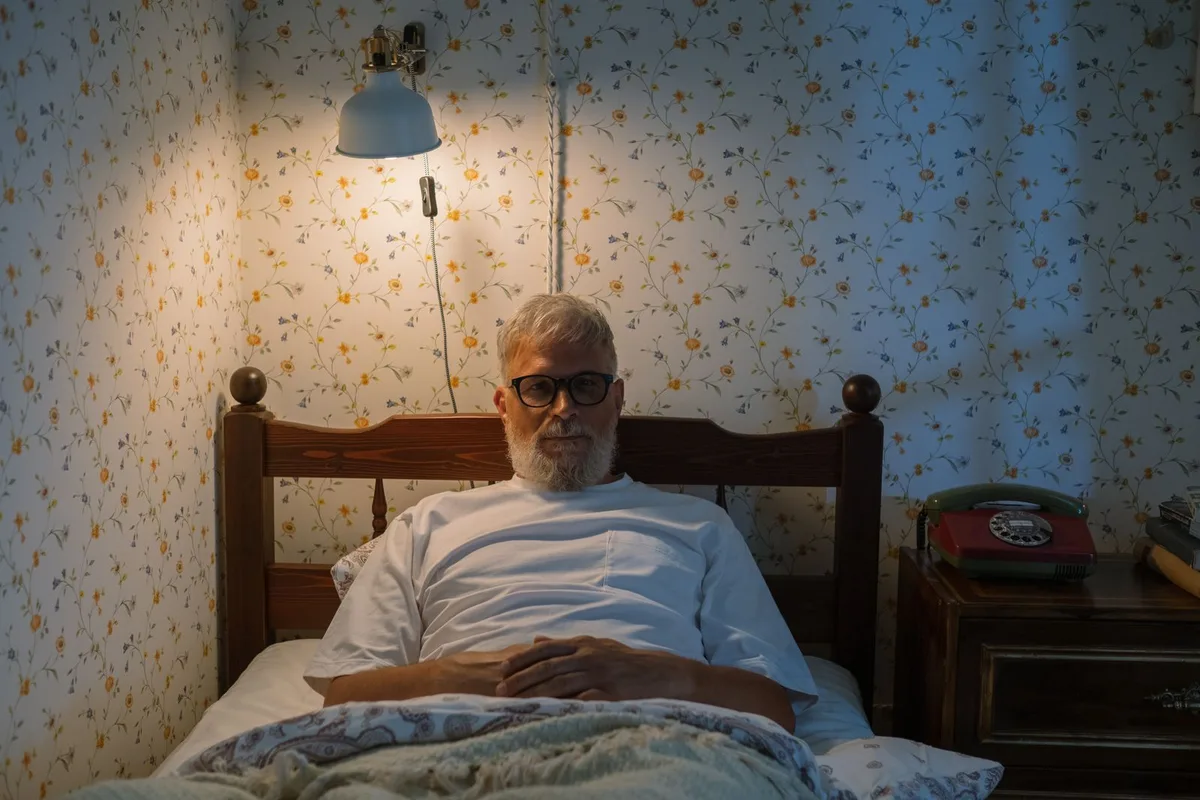
Everyone else in the house is comfortable. You are wearing socks, maybe two pairs, and your feet still feel like ice.
It is a question we hear often, and there is rarely just one answer. The good news is that most causes are easy to check.
Insider Tip Cold feet usually come down to one of two things: less blood reaching your feet, or nerves sending a cold signal even when the skin is warm. Knowing which one it is helps you and your doctor decide what to do.
When it is about blood flow
Your feet are the farthest point from your heart, so they are the first place to feel any slowdown in circulation. Sitting for long stretches, smoking and narrowed arteries in the legs can all reduce warm blood flow.
Some people also have Raynaud's, where small blood vessels tighten in the cold or under stress and toes turn white or blue for a while.
When it is about nerves
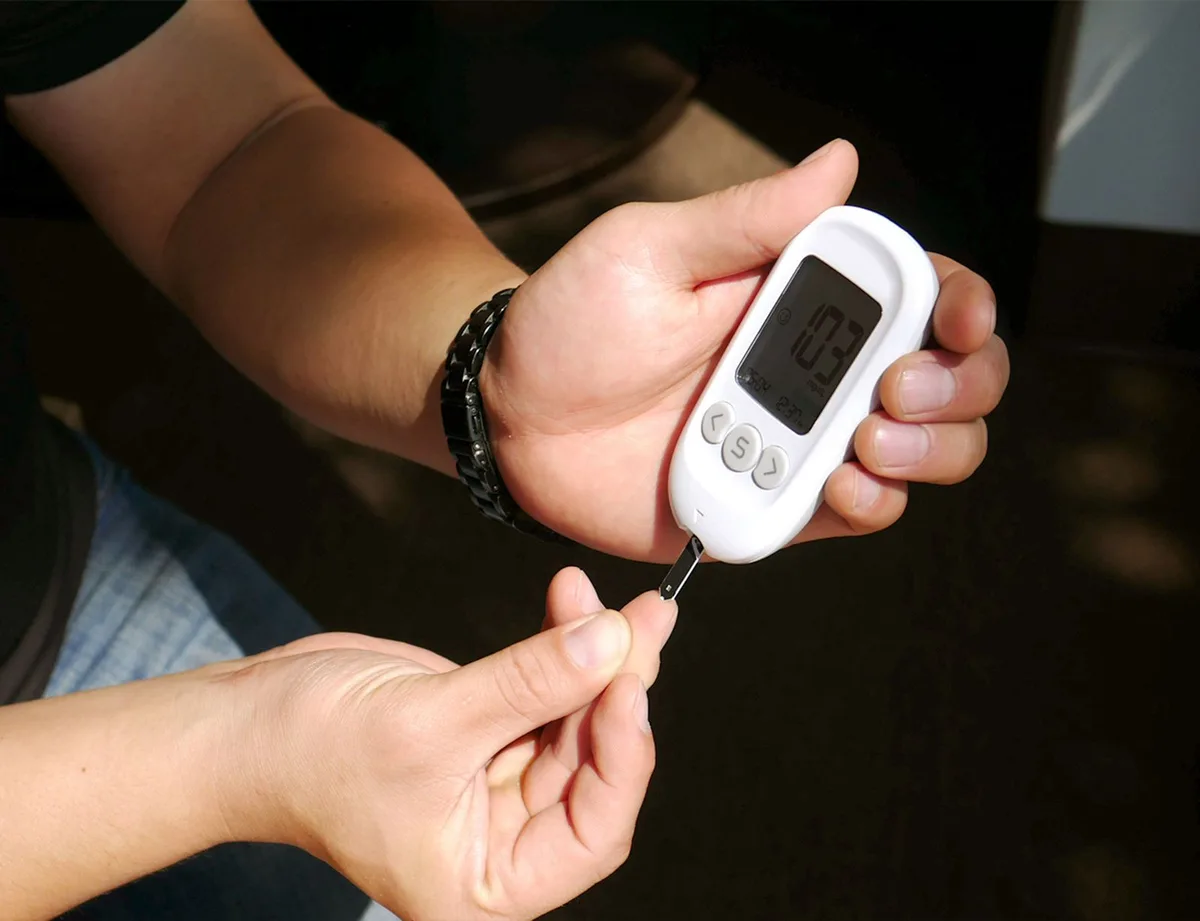
Sometimes your feet feel cold but are warm to the touch. That can be a sign the nerves themselves are sending mixed signals. Nerve changes linked to diabetes, low vitamin B12 or other conditions can cause cold, burning or tingling feelings with no real change in temperature.
Other common causes
- An underactive thyroid can make you feel cold all over.
- Low iron or anemia can mean less oxygen reaching your tissues.
- Some medicines, including certain blood pressure drugs, may affect circulation. Ask your doctor before changing anything.
Ways to warm up safely

Wear warm, well-fitting socks without tight bands. Move your ankles and toes often, especially when sitting. A short walk can bring warmth back quickly.
If your feet are numb, skip heating pads and hot water bottles. You may not feel a burn until it has already happened. Warm socks and movement are the safer choice.
When to talk to your doctor
See your doctor if your feet are often cold along with numbness, color changes, pain when walking that eases with rest, or sores that heal slowly. A foot that suddenly turns cold, pale and painful is an emergency. Call 911.
Cold feet are common, but they are also worth asking about. A quick checkup can tell you which story your feet are telling.