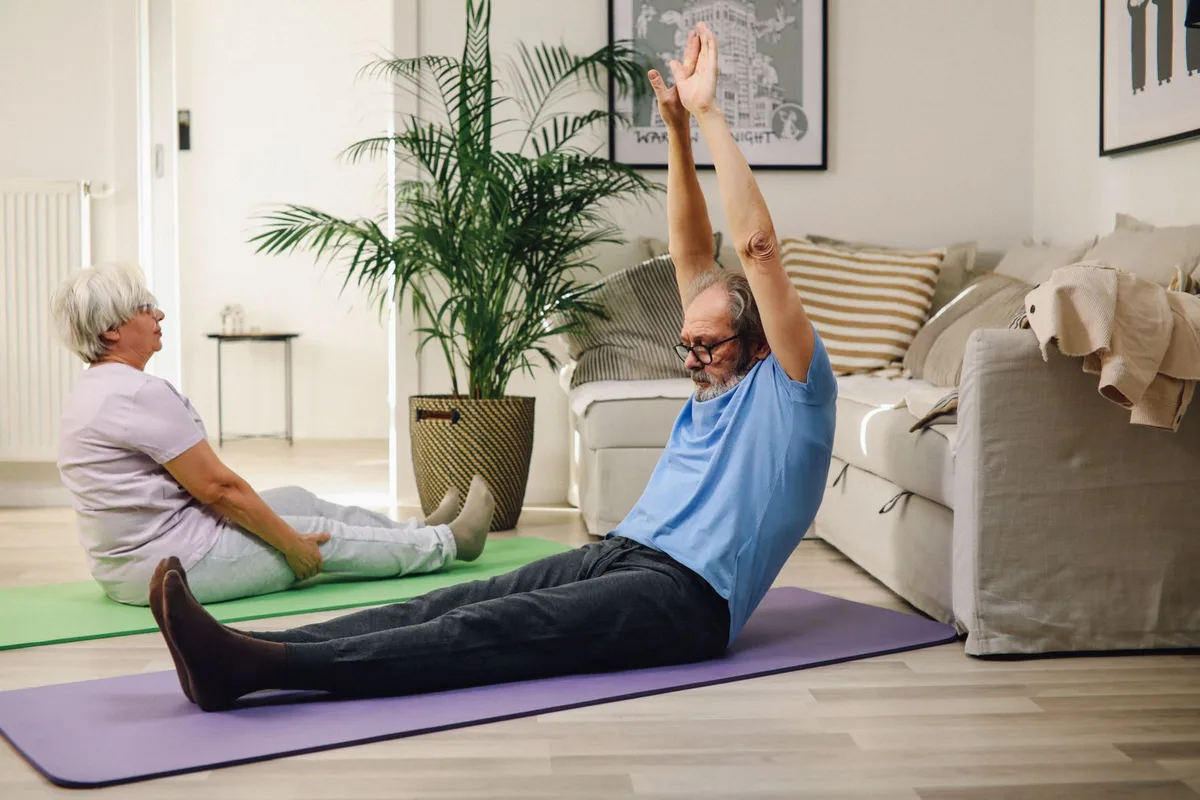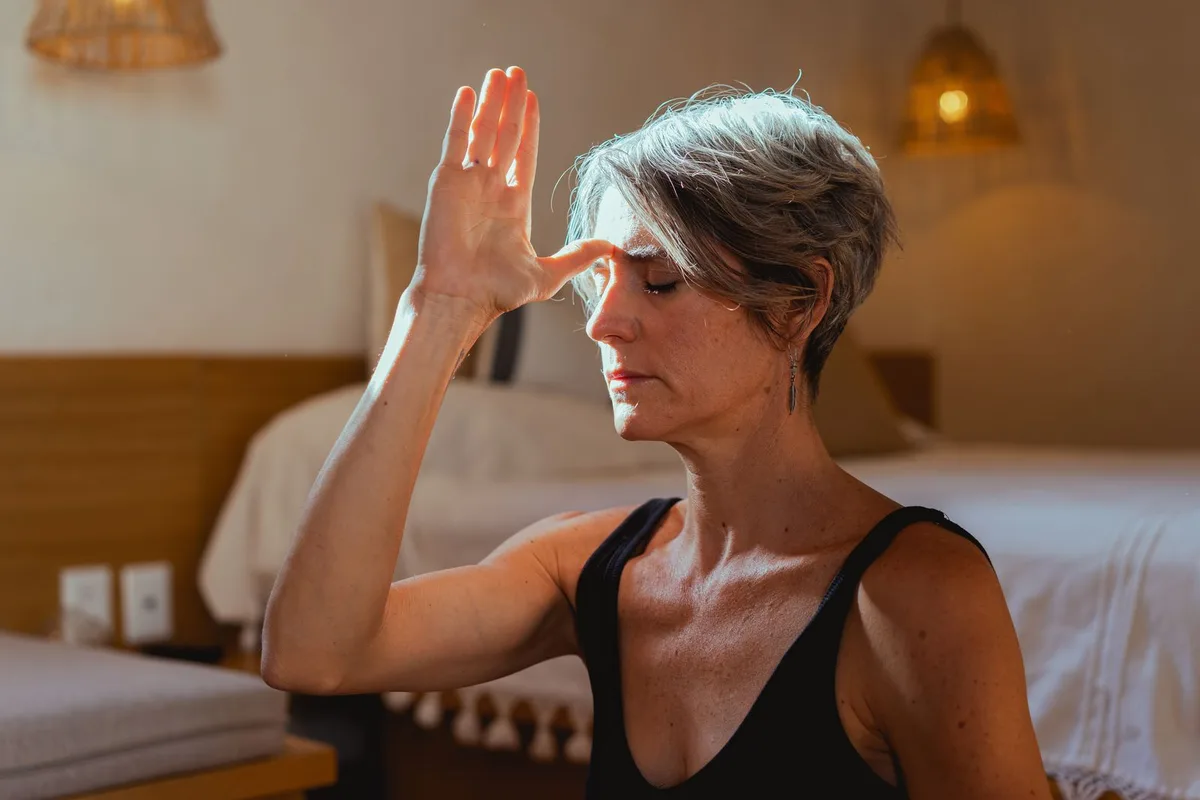
You breathe about twenty thousand times a day without thinking about it. Most of those breaths are quick and shallow, especially when you are rushing or worried.
This week, you will spend five minutes each morning breathing on purpose. No special pose, no app, just a chair and a few minutes of quiet.
The one takeaway Slow, steady breathing with a longer exhale is linked to a calmer body and mind. Five minutes each morning is an easy way to practice, and a week is enough to notice whether it helps you start the day feeling steadier.
Why slow breathing
When you breathe slowly and let the exhale last a bit longer than the inhale, your body tends to shift toward its rest and recover mode. Heart rate often settles, and many people feel their shoulders drop. Slow breathing is a skill you can carry anywhere, from a waiting room to a sleepless night.
The morning is a good time to practice because the house is quiet and your day has not started pulling at you yet.
The 7-day plan
- Day 1: Sit in a chair, feet flat. Breathe in through your nose for a count of 4, out for a count of 4. Two minutes.
- Day 2: Same, but make the exhale a count of 6. Three minutes.
- Day 3: Place one hand on your belly. Let it rise as you breathe in. Four minutes.
- Day 4: Five minutes of in for 4, out for 6.
- Day 5: Try it by a window or outside on a porch.
- Day 6: Close your eyes and simply count each exhale up to ten, then start again.
- Day 7: Five minutes, your favorite way. Notice how you feel afterward.
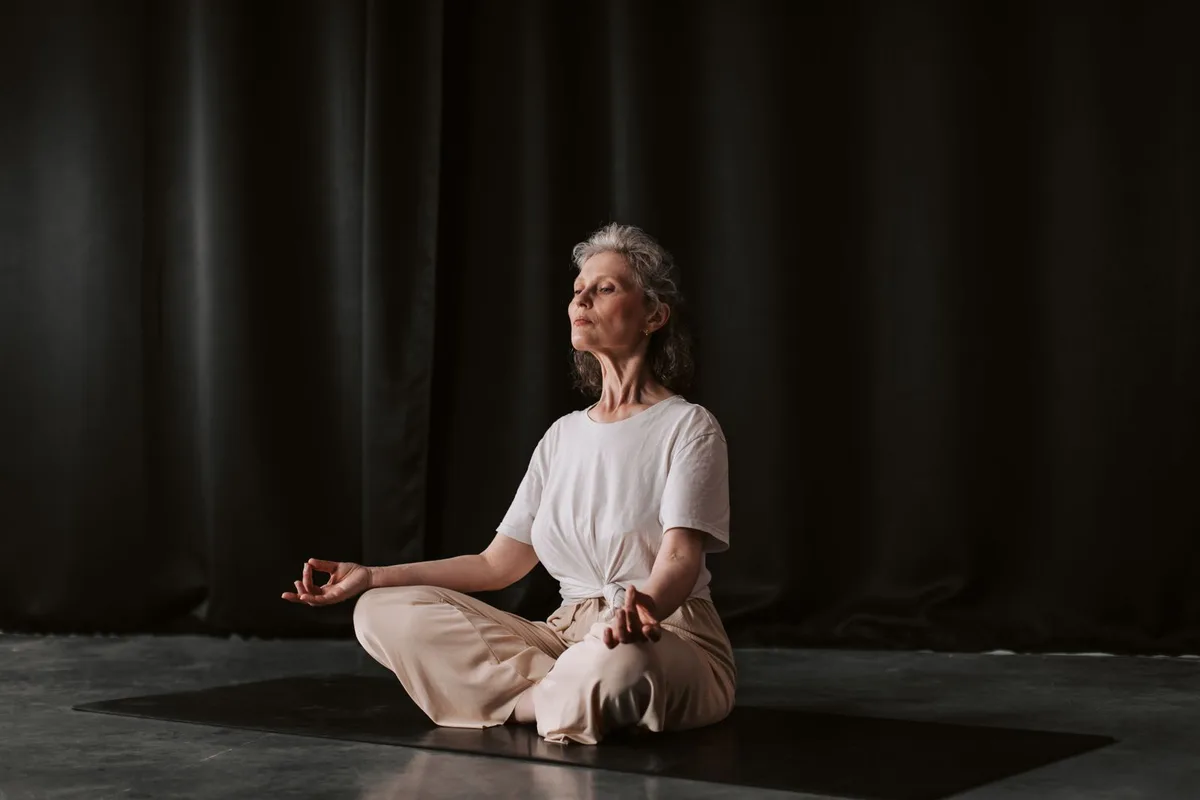
If you lose count or your mind wanders, that is normal. Just notice it and come back to the next breath.
What to notice
Check in with yourself before and after each session. Rate how tense you feel from one to ten. Many people see the number drop a point or two. Some notice they reach for slow breaths later in the day without planning to.
This is not a cure for anxiety or high blood pressure. It is a simple tool, and a week shows you whether it is one you want to keep.
When to talk to your doctor
If you feel lightheaded or dizzy, return to normal breathing right away. If you have COPD, asthma or another lung or heart condition, ask your doctor which breathing pace is right for you. Shortness of breath at rest or chest pain is an emergency, so call for help.
Five minutes of breathing. It costs nothing, and you already know how.