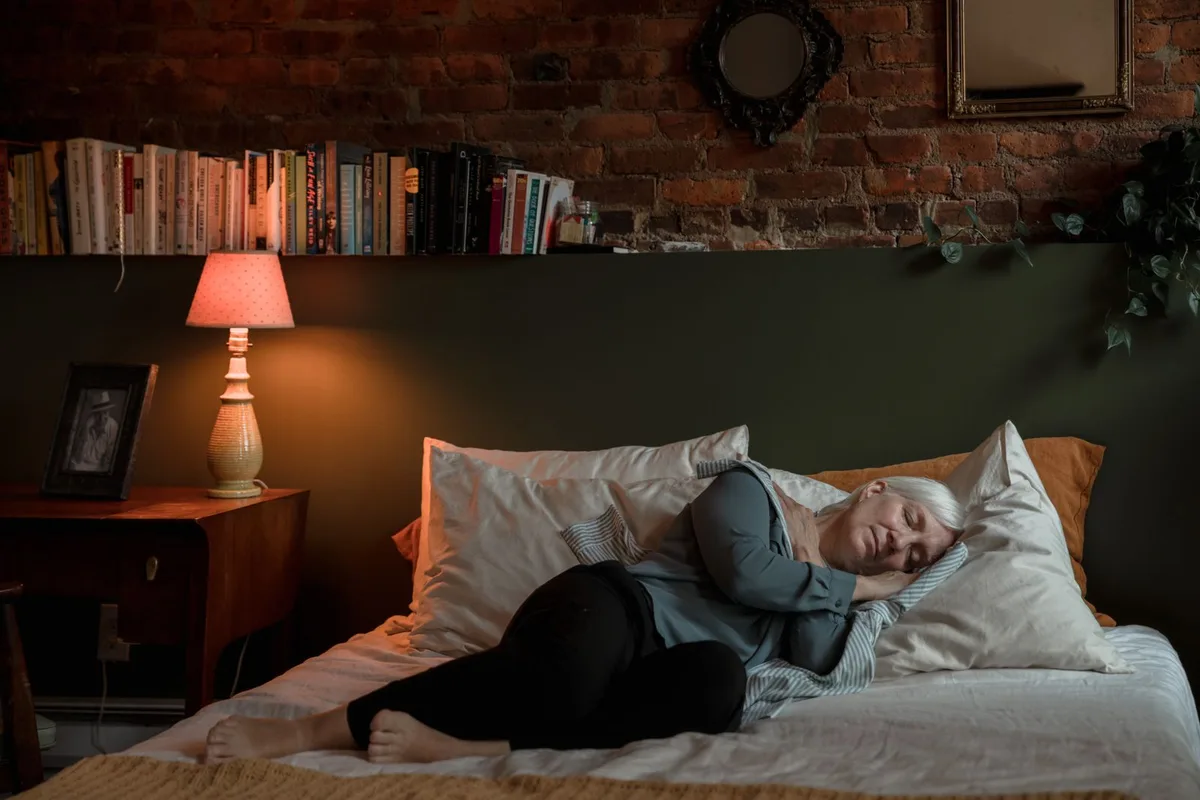
You fall asleep without much trouble. Then, like clockwork, your eyes open at 3 a.m. The house is silent, your mind starts running, and the clock seems to tick louder every minute.
If this sounds familiar, you have plenty of company. Middle-of-the-night waking is one of the most common sleep complaints after 50.
The one takeaway Sleep naturally gets lighter with age, so small things like a full bladder, a warm room, a glass of wine or a worried thought can wake you more easily. Most causes can be eased, and some are worth checking with your doctor.
Why it happens more after 50
As we age, we spend less time in deep sleep and more in light sleep. We also wake briefly more often during the night. Most of those wake-ups you never remember, but some stick.
The second half of the night is when sleep is lightest anyway, so that is when you are most likely to surface.
Common triggers
- Needing to use the bathroom
- Alcohol, which helps you nod off but disrupts sleep a few hours later
- Hot flashes or night sweats
- Stress and worry, which raise alertness hormones
- Heartburn or reflux when lying down
- Aches, pain or a stiff joint
- Snoring or pauses in breathing, possible signs of sleep apnea
What can help you fall back asleep

Do not check the clock. Seeing 3:12 tends to kick off mental math about how little sleep you have left.
If you are still awake after about 20 minutes, get up. Go to another room with dim light and do something quiet and boring, like reading a paper book or folding laundry. Go back to bed when you feel sleepy.
During the day, keep a regular wake time, get morning daylight, cut caffeine after noon and limit fluids in the last two hours before bed.
Keep a notepad by the bed. If your mind starts listing tomorrow's tasks, write them down. It tells your brain the job is handled.
When to talk to your doctor
See your doctor if night waking happens most nights for more than a few weeks, leaves you exhausted during the day, or comes with loud snoring, gasping, frequent urination, pain or low mood. Ask about cognitive behavioral therapy for insomnia, which is often recommended as a first approach. Check with your doctor or pharmacist before using any sleep aid, including over-the-counter ones.
One rough night does not define your sleep. A pattern is worth looking into, and it can usually improve.